Home » Blogs » Why Is My Car Slow to Start When It Is Cold
If you live in New Orleans, you may not think of winter as harsh, but even mild cold fronts can make a big difference when it comes to how your car starts. Many drivers notice that their vehicle cranks slower or struggles to start on cooler mornings, even though it seemed perfectly fine the day before. At Tim’s Quality Car Care in New Orleans, this is one of the most common cold weather concerns we hear about.
Battery
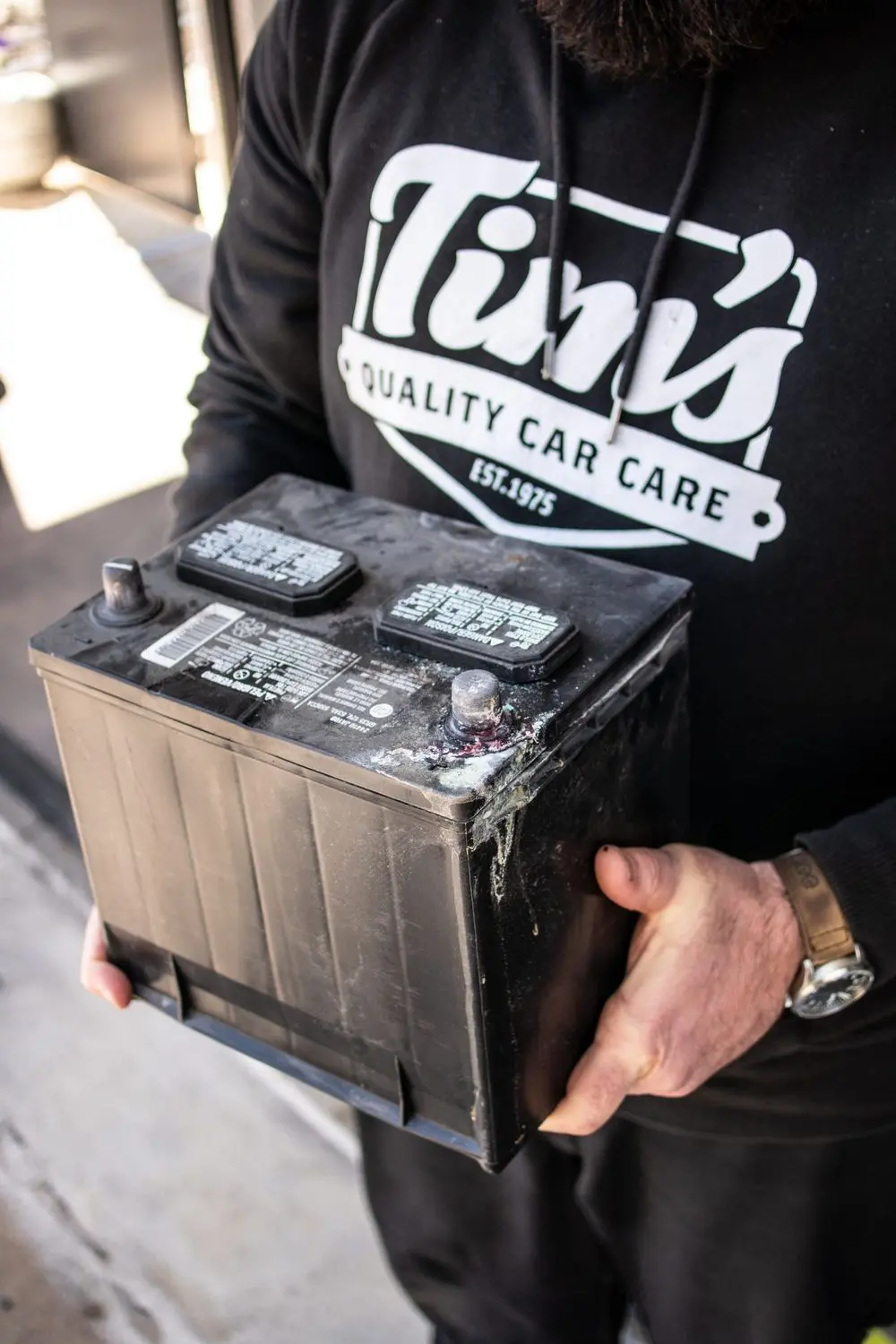
Car batteries are especially sensitive to temperature changes. A battery creates power through a chemical reaction, and when temperatures drop, that reaction slows down. This means the battery produces less electrical energy just when your engine needs more power to turn over. Even a small drop in temperature can reduce battery output of a weak battery enough to cause slow starting, particularly early in the morning after the vehicle has been sitting overnight.
In New Orleans, batteries face a double challenge. While cold weather reduces a battery’s power output, our long, hot summers also take a serious toll. Heat is the number one cause of battery failure in Louisiana. High temperatures accelerate internal wear and shorten battery life. By the time a cold front arrives, a battery weakened by summer heat may no longer have the reserve capacity needed to start a cold engine.
Poor electrical connections
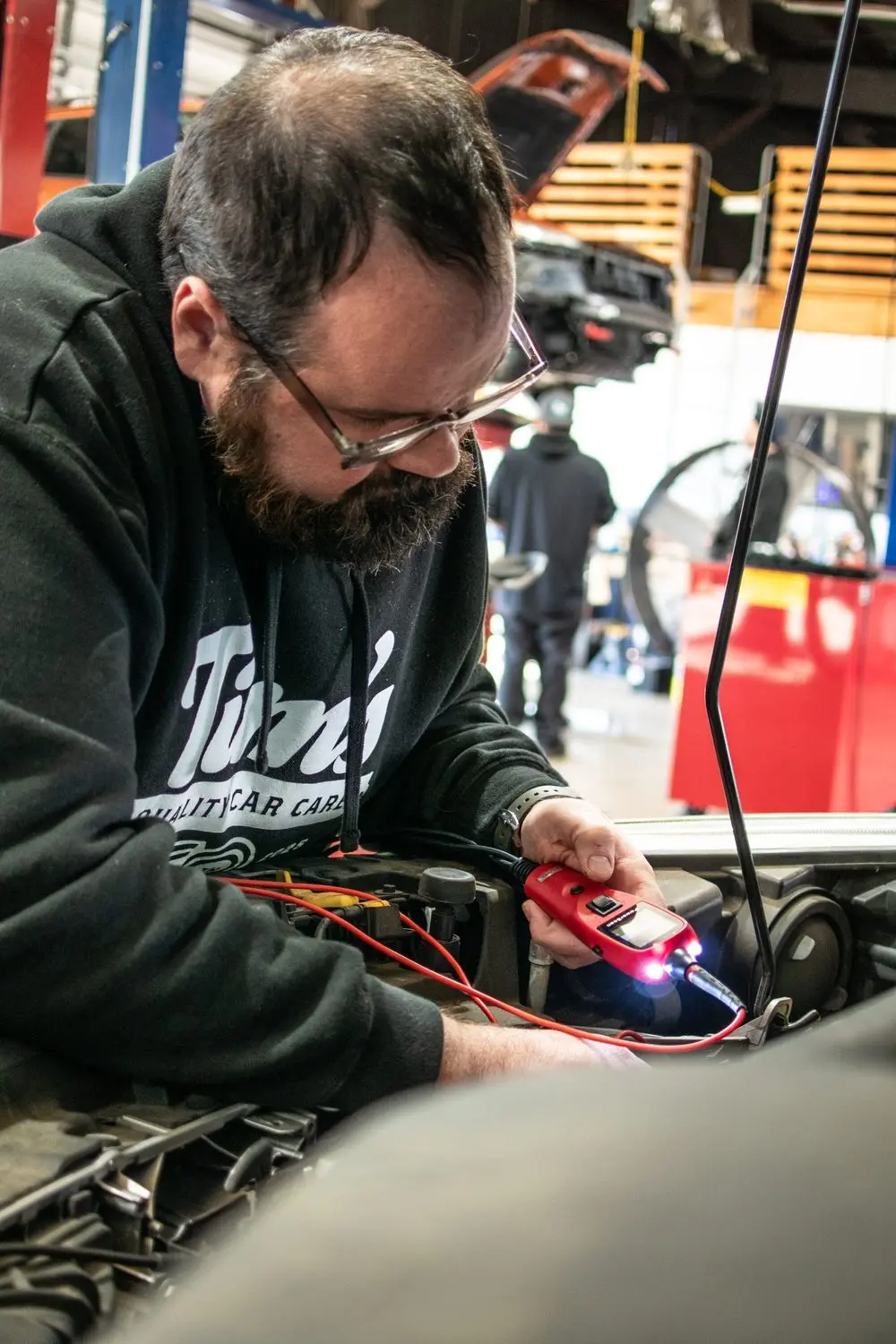
Poor electrical connections are another major reason cars are slow to start in cold weather. Battery terminals, cables, and ground connections must be clean and tight to deliver full power. In our humid New Orleans climate, corrosion builds up quickly and creates resistance in the system. When resistance increases, the battery has to work harder to send power to the starter, which often results in slow cranking or intermittent starting problems on colder mornings.
Starter
A failing starter can also cause slow starts when it is cold. As starters wear out, they often begin to draw excessive amperage. Cold engines already require more effort to turn over, and a starter pulling too much current can overwhelm even a healthy battery. This excessive amperage draw drains power quickly and may prevent the engine from starting at all, especially after a temperature drop.
Charging System
The vehicle’s charging system plays an important role as well. The alternator is responsible for recharging the battery and maintaining the electrical system while the engine is running. If the charging system is not working properly, the battery may never reach a full charge. This means that when the car sits overnight and temperatures drop, there simply is not enough stored energy to start the engine. Weak charging systems often go unnoticed until colder weather exposes the problem.
At Tim’s Quality Car Care in New Orleans, we take a complete approach to cold weather starting issues. We test the battery, inspect all electrical connections, check starter amperage draw, and evaluate the charging system to find the real cause of the problem.
If your car is slow to start, we are here to help.