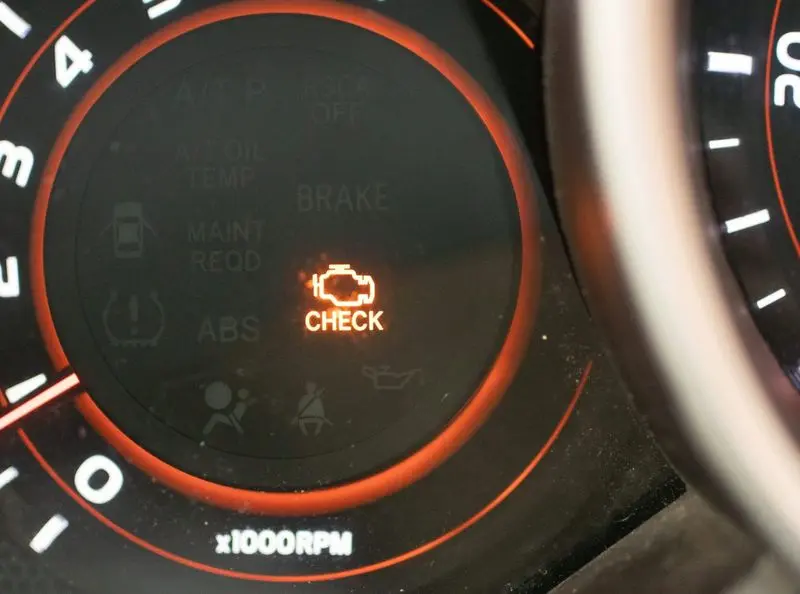
Can the Summer heat make my check engine light come on?
Home » Blogs » Can the Summer heat make my check engine light come on?
If your check engine light suddenly came on during a hot New Orleans day, you’re not alone, and yes, the summer heat might be playing a role. At Tim’s, we get a lot of calls in the summer asking, “Why is my check engine light on?” While there are many reasons this warning light can appear, extreme heat can be part of the reason
How Can Heat Trigger the Check Engine Light?
Here are a few heat-related issues that can cause your check engine light to come on:
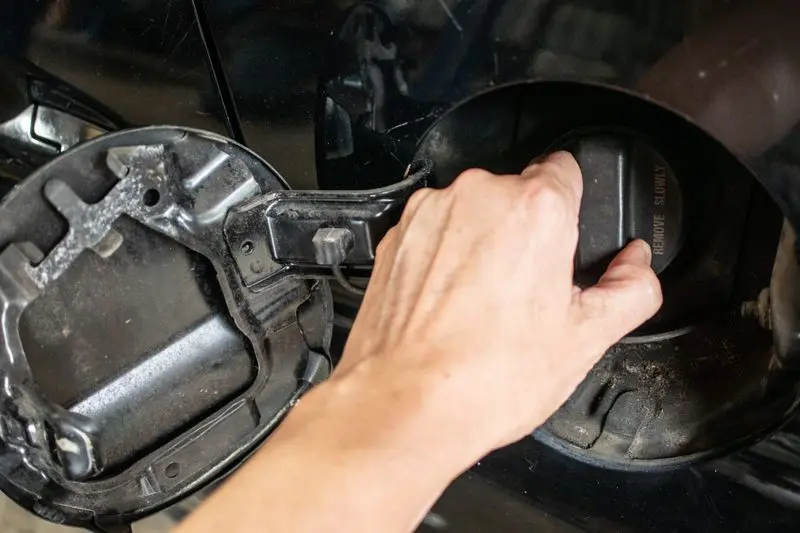
Evaporative Emissions System Problems (EVAP)
Hot temperatures can cause fuel vapors to expand in your tank. If your gas cap is loose, missing, or damaged, vapor can leak triggering the check engine light. This is one of the most common (and thankfully minor) causes.
Battery and Electrical System Stress
Summer heat in New Orleans can wear out your car battery quicker than you’d think. Weak batteries or failing sensors can confuse your car’s computer, resulting in a check engine light.
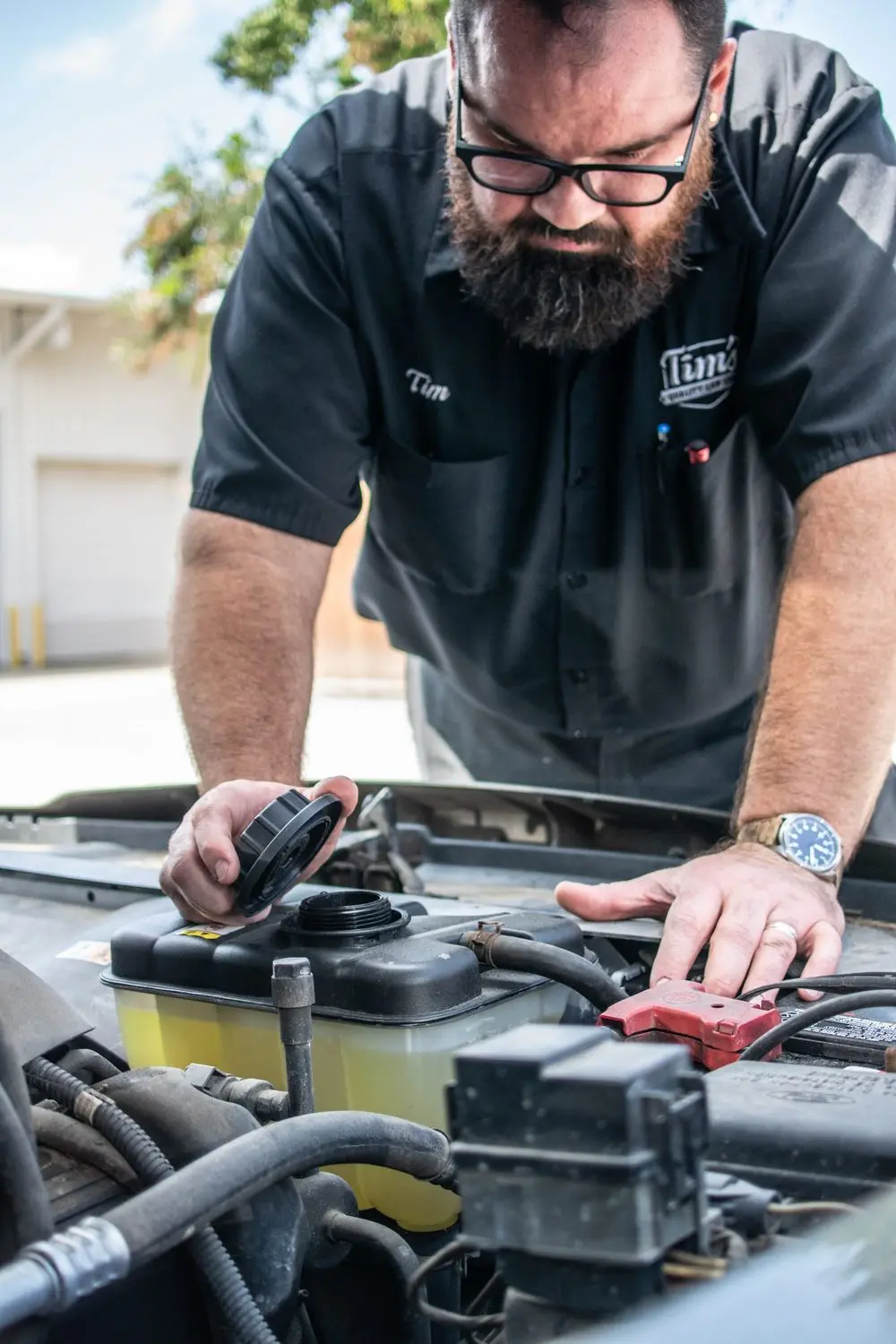
Overheating Engine Components
When your engine runs too hot, sensors like the coolant temperature sensor can trip the check engine light. This may indicate a bigger issue, like low coolant levels or a failing thermostat.
Failing Oxygen Sensors or Catalytic Converter
Heat stress and poor air-fuel mixture can lead to problems with your emissions system, causing the light to turn on.
What Should You Do If Your Check Engine Light Comes On?
Check your gas cap first. Make sure it’s tightened properly. If it was loose, it may take a few drives for the light to turn off.
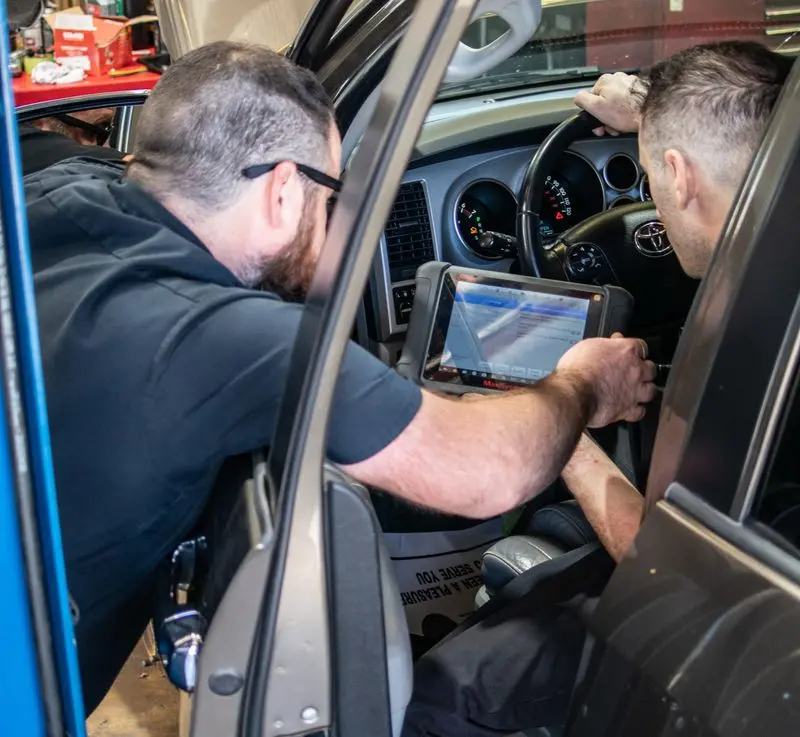
Pay attention to how your car drives. If you notice rough idling, stalling, or strange smells, it’s time to call us.
Don’t wait too long. What starts as a small issue can turn into an expensive one, especially in the heat.
We’re here to help you keep your vehicle running smoothly through every NOLA heat wave!
If your check engine light comes on this summer, let our expert mechanics take a look!