Home » Blogs » CV Shafts: What are they and how do they fail?
Constant Velocity or CV joints are used in most front wheel drive vehicles, many all-wheel drive vehicles and some rear wheel drive vehicles.
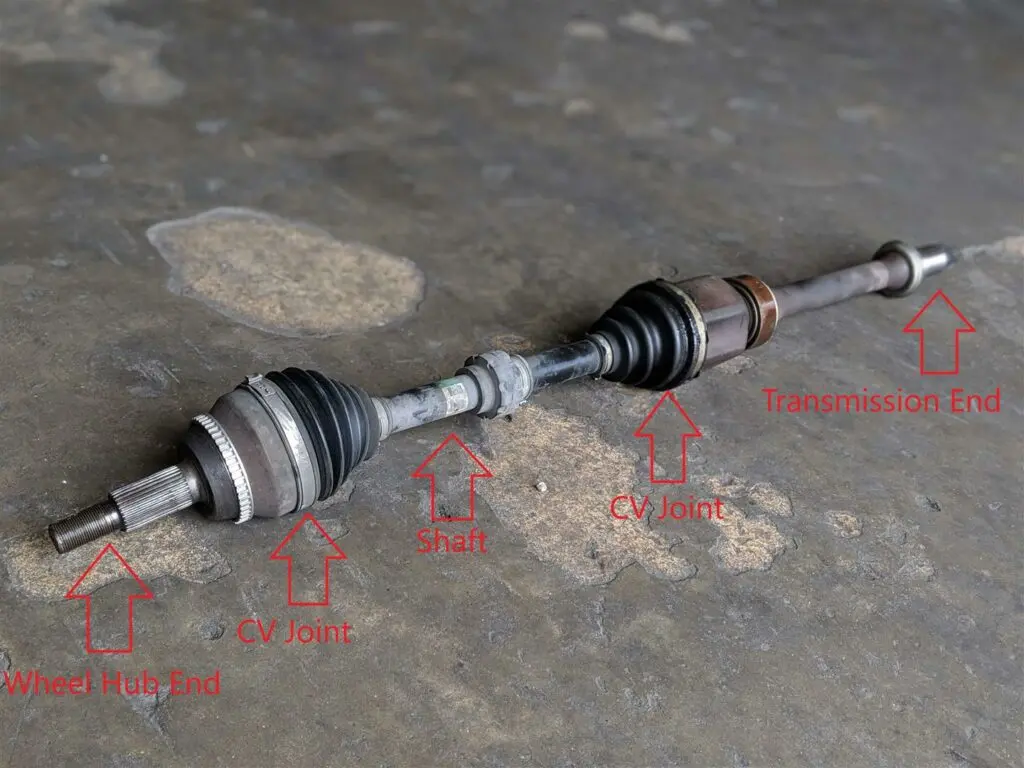
A CV joint is a joint designed to transmit even power through a wide range of angles with minimum friction and internal play. CV shafts have two CV joints on either end of the shaft allowing the vehicle to be driven forward while allowing the suspension to articulate over bumps and the front wheels to turn left and right. Two wheel drive vehicles have two CV shafts and all-wheel drive vehicles can have up to four CV shafts. CV joints are filled with molybdenum disulfide grease, this specialized grease is either dark green or brownish grey in color. A rubber or neoprene flexible boot keeps this grease in the joint and all of the moving parts submerged.
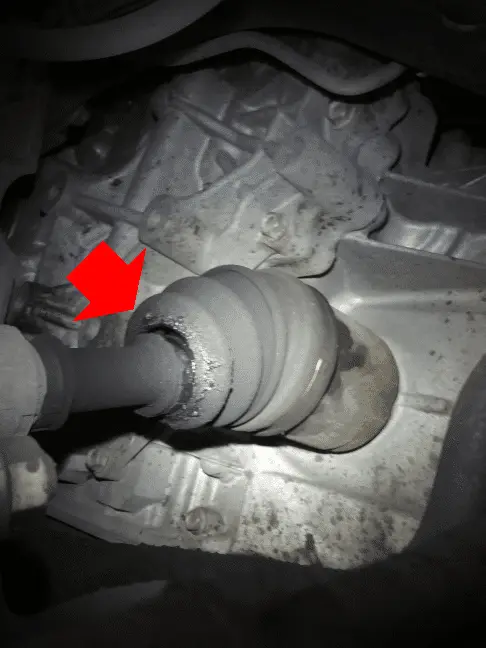
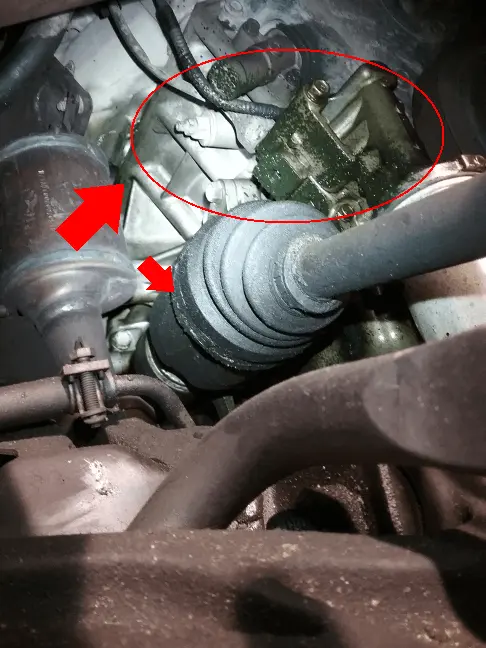
The weak point in CV shafts is the boot. After years and miles of turning and bumping up and down with the suspension the boots weaken and begin to tear. A torn CV boot allows the grease to leave the joint and road dirt, water and other contaminates to enter the joint. Contaminants inside of the joint cause friction which creates accelerated wear on the internal components in the joint and creates play inside of the joint. Once a CV shaft has failed you can hear a loud click, click, click noise when turning the vehicle and slowly accelerating. At Tim’s we recommend changing CV shafts when the boot tears and the joint begins to sling grease. We do not believe it is worth the risk to have a sloppy loose joint in a vehicle.
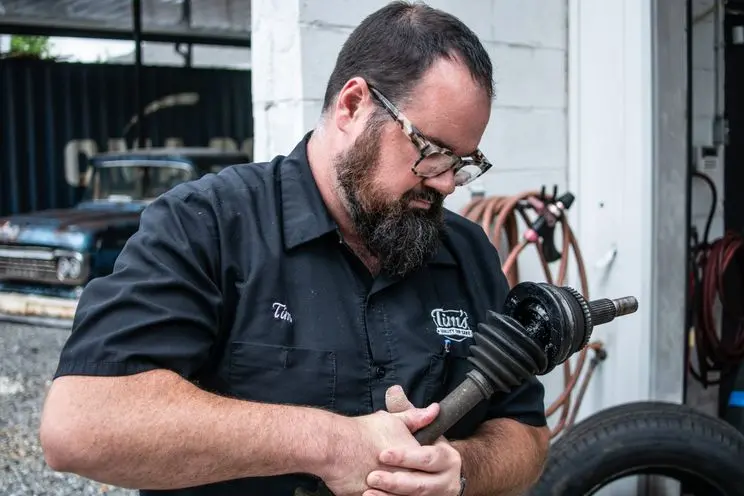
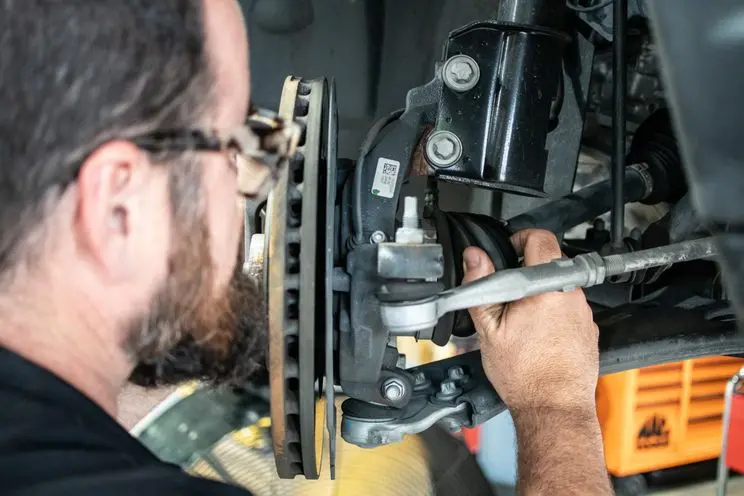
In the attached pictures you can see a CV shaft that has a torn and leaking boot, also you can see a CV axle that is slinging grease. During our Digital Vehicle Inspections we always check the drive axle. We will recommend axle replacement when there is a visible tear in the boot and the tell-tale grease slinging on the inside of the wheel well. Let the Pros at Tim’s help you keep your vehicle reliable and safe on the road!