Case Study: 2013 Subaru Forester driving well but Check Engine Light on and random misfire stored.
Last week we had a client come in with their 2013 Forester. The check engine light had come on a few days before. The Subaru had a check engine light on but was not driving poorly. When Tim’s checks a vehicle for an engine performance / check engine light problem we always start with a Level One Diagnostic. This is what we found:
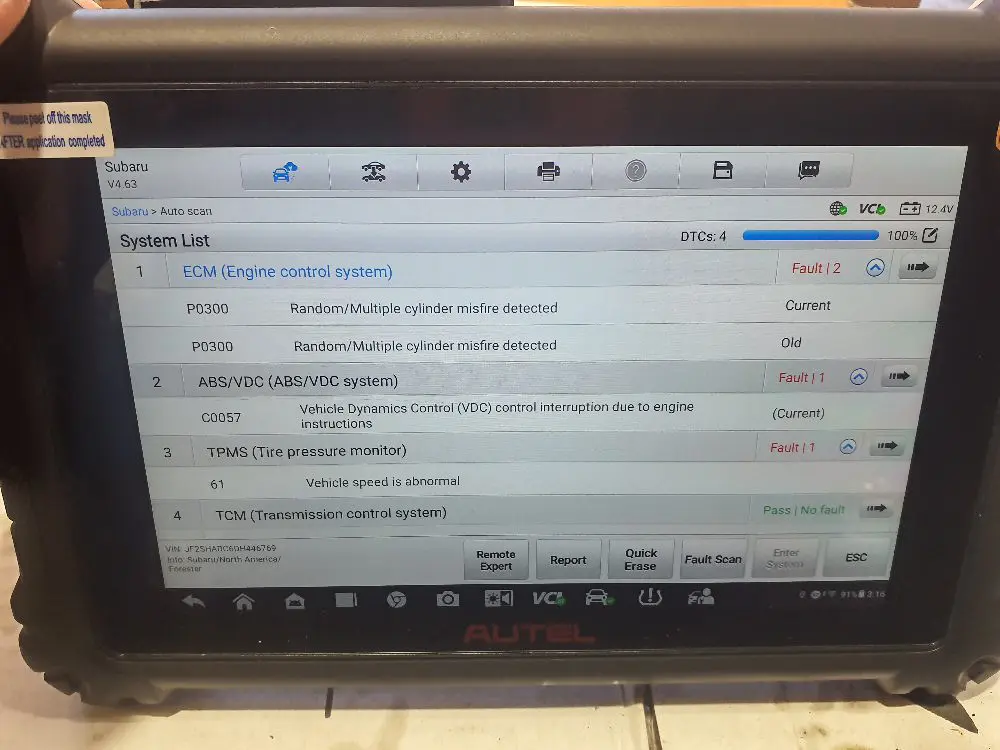
The first step done in the testing process is our full vehicle scan. We pair our diagnostic tool with the vehicle and do an all systems scan. At Tim’s we always start with a full module scan of the vehicle that way we do not miss any potential causes of the fault. A problem in one module of your Subaru could be related to failures in other modules. The full module scan returned a failure in the Engine Control Module for a P0300 or Random/Multiple cylinder misfire. Testing for cylinder specific misfire is much different than testing for multiple cylinder misfires when no other failures are present. A cylinder specific misfire is typically caused by a malfunction on one cylinder. A Random / Multiple cylinder misfire is typically caused by an overall engine or engine management malfunction.
The next step was to recreate the Client’s concern. Our scan equipment is capable of monitoring live engine data while making recordings. For this testing we had one Technician driving the vehicle and one Technician monitoring the scan tool. We found that while driving down a smooth road and maintaining 35 miles per hour the Forester would register misfires on all cylinders at the same time. When the Subaru was registering misfire it was running smooth, no shakes or other symptoms.
Next it was time to find the source of the problem. When looking for a problem affecting the entire engine it is important to maintain the correct perspective. If you can not pinpoint the symptom to a specific bank or cylinder the cause of the problem needs to be a failure that can affect the entire system! Keeping in mind we are searching for an overall problem we began analyzing the system.
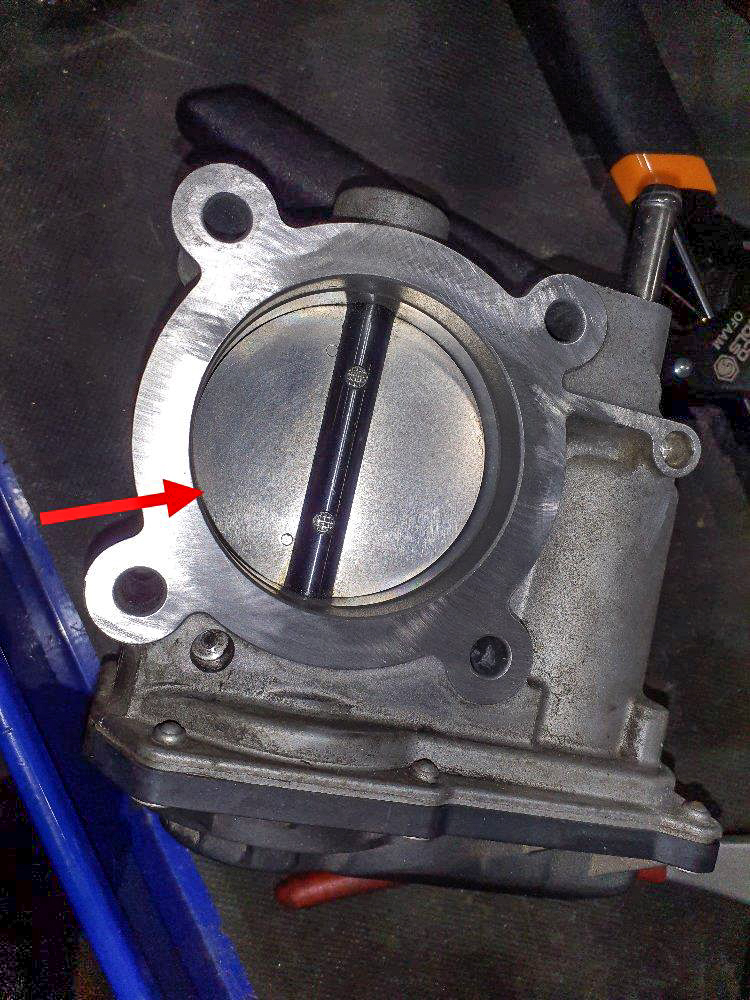
AIRFLOW IN: We inspected the air ducting and air filter going into the throttle. We found that the throttle was dirty. While monitoring the Mass Airflow reading we found that the Subaru would register 2.8 grams per second of air flow at idle all loads off. Perfect!
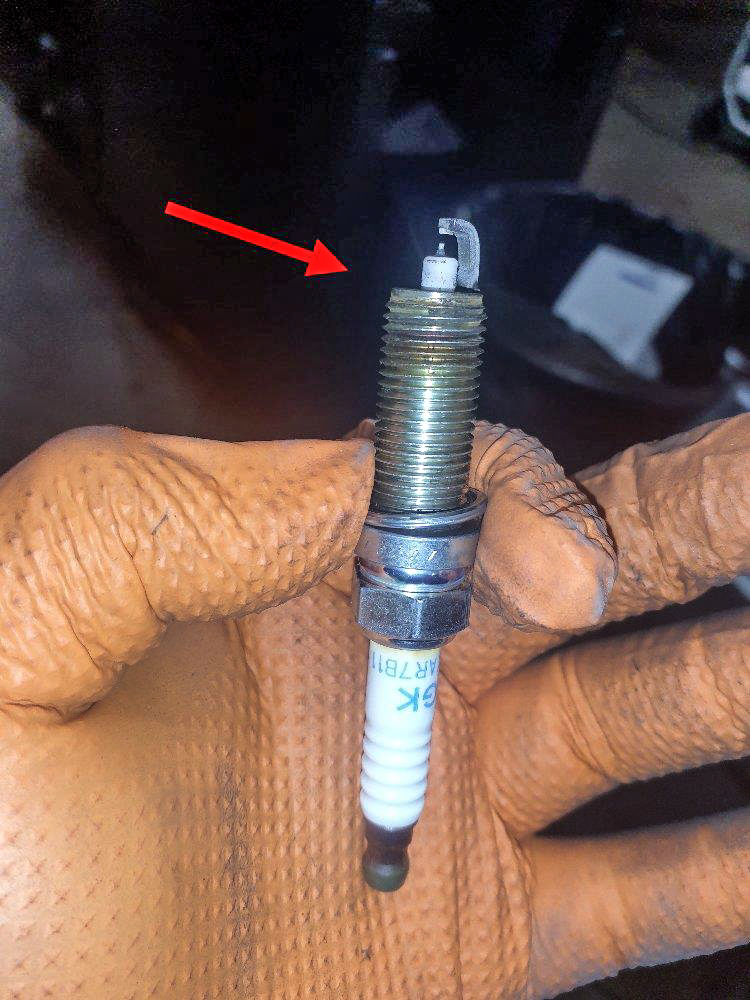
IGNITION: The spark plugs had been changed at another shop 3 years ago and less than 35,000 miles ago. We removed an ignition coil and spark plug to inspect. We found that the replaced spark plugs were correct for the vehicle, no problem found!
FUEL: We checked fuel pressure and volume. Both were inside of Subaru specifications.
EXHAUST: No exhaust leaks were found, no restrictions were detected. Technician monitored front and rear oxygen sensors and found sensors were reacting properly and within range.
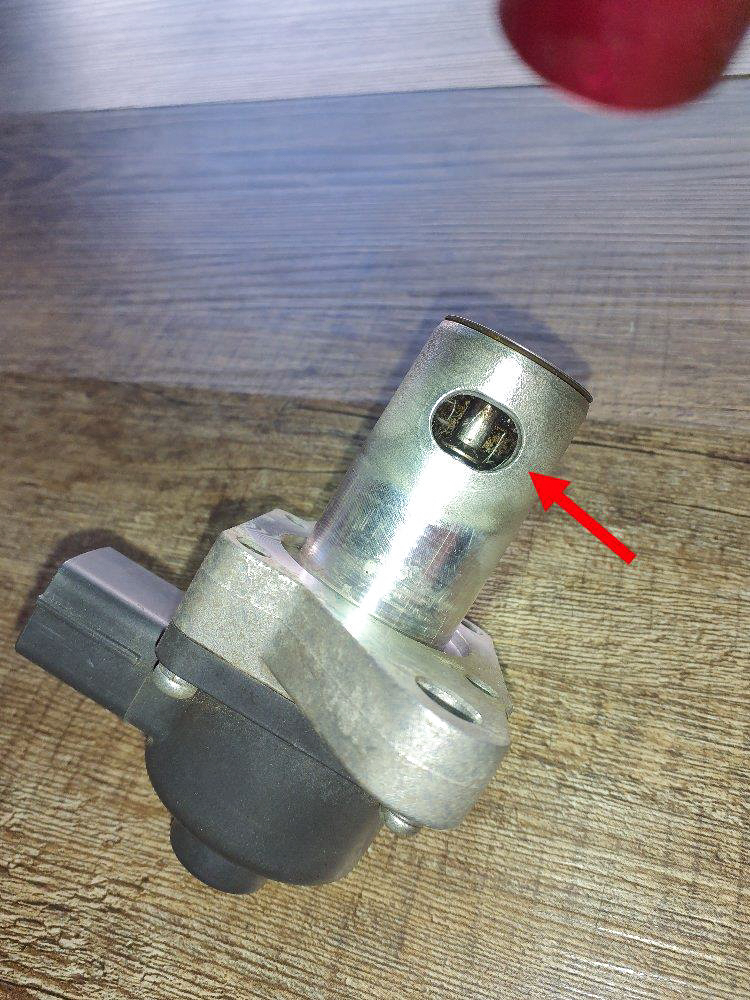
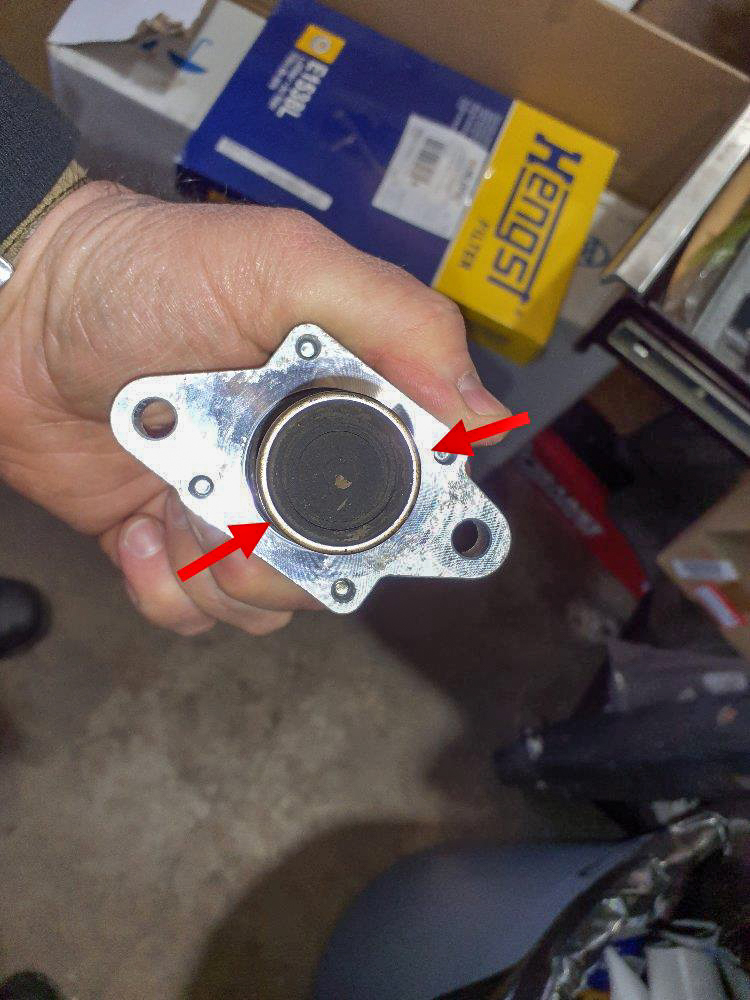
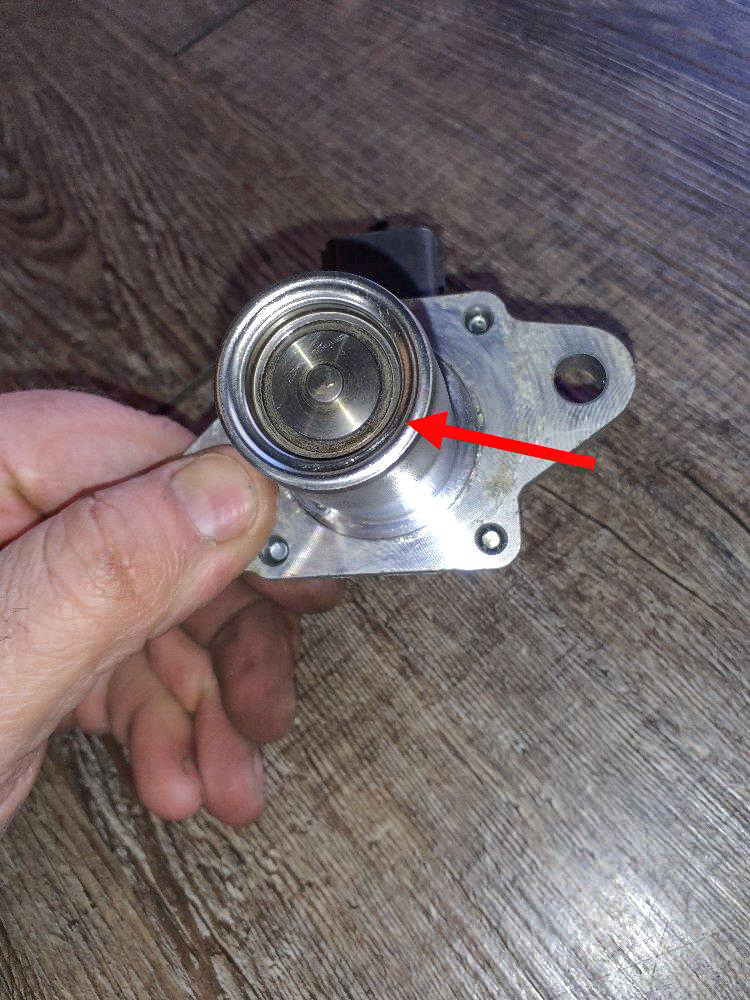
CARBON DEPOSITS: This is where it gets interesting! While this Subaru is a 2013 it only has 76,000 miles. Short trips and limited highway driving can cause excessive carbon. During testing inside the shop the only off thing noted by the Technician is that the idle quality would intermittently decline. It was not idling poorly, but it was shaking more than we are used to from a low milage Subaru. Using the bilateral controls of our scan tool we could command the EGR or Exhaust Gas Recirculation valve. Fully commanding the EGR valve could create a poor idle quality but not cause the engine to die. We removed the EGR valve and found it was black with carbon, had chunks of carbon on the sealing surface of the valve. We could easily flow a small amount of air through the closed valve, a leak!
After fully inspecting the rest of the Forester by doing a Digital Vehicle Inspection the Technician met with a Service Advisor and came up with a solution. Not only do we check for the Clients immediate concerns, we also check the over all safety and maintenance items on the Forester. We did a deep cleaning and gasket change on the Throttle and EGR valve, and did an Intake Cleaning De-Carbon service. Letting the engine breathe better and removing a small EGR leak did the trick!
The final step of any visit at Tim’s is a repair verification test drive and then a Final Inspection done by both the Technician and Service Advisor. We drove the vehicle on the same route and in the same way we were able to re create the problem and found that the problem was solved!
We are so happy to provide the New Orleans area with expert diagnostics to help keep you in safe and reliable transportation!
If you’re having an issue with your Subaru, let the mechanics at Tim’s check it out!