Home » Blogs » Does my Tesla need brake maintenance?
Tesla’s are very different from internal combustion engine vehicles in many ways — including the brake system. So do they need to be serviced? Let’s dig into that topic!
One of the major differences that affects your braking system is regenerative braking.
When you are slowing down in your Tesla you may be using your brakes less than you think. Regenerative braking happens when your vehicle uses the electric motor/ motors to slow the vehicle instead of the brakes. Regenerative braking allows your Tesla or other hybrid / EV to make electricity while slowing. This helps the vehicles battery life and charge range! Tesla’s have a unique feature in one pedal driving. A Tesla driver only needs to let off the accelerator pedal to stop. The vehicle will decelerate to a stop and hold without brakes.
If primarily driven with one pedal driving Tesla brakes will last much longer than traditional vehicle brakes.
During normal driving with no emergency stops the brakes may not be used at all! Because of the lack of use of the hydraulic/ mechanical braking system of Tesla vehicles it is very important to keep them maintained.
Brake fluid exchanges prolong the life of your Tesla Brakes.
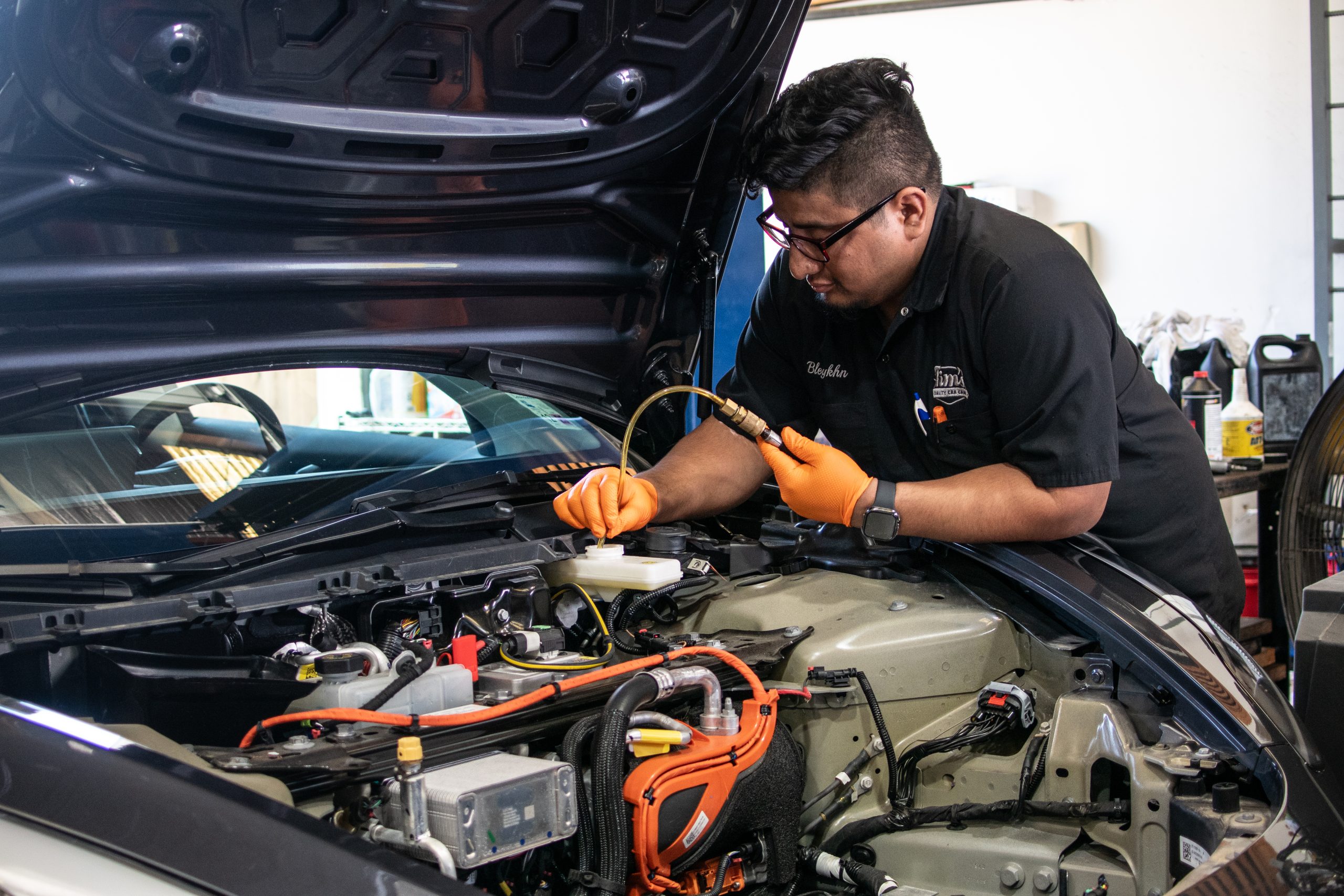
‘Brake fluid is hygroscopic, meaning it actively absorbs moisture, even from humidity in our air. The swampy, high humidity air of New Orleans is no help! When brake fluid has absorbed moisture and other contaminants, it can damage the braking system. Contaminated brake fluid damages the braking system from the inside out. It can damage ABS components and internally rust and corrode brake calipers. Along with internal damage contaminated brake fluid can also cause safety concerns. Brake fluid with a high water content has a significantly lower boiling point. When exposed to extreme heat and pressure during an emergency stop you could experience brake pedal fade. Brake pedal fade occurs when contaminated brake fluid boils inside of a braking system causing the brake pedal to sink and a lack of brake pressure. This can greatly increase stopping distance and cause a preventable accident. At Tim’s we recommend a full brake fluid exchange on Tesla’s every 2 years or 20,000 miles. This ensures longevity of the braking system as well as makes the vehicle ready for emergency stops.
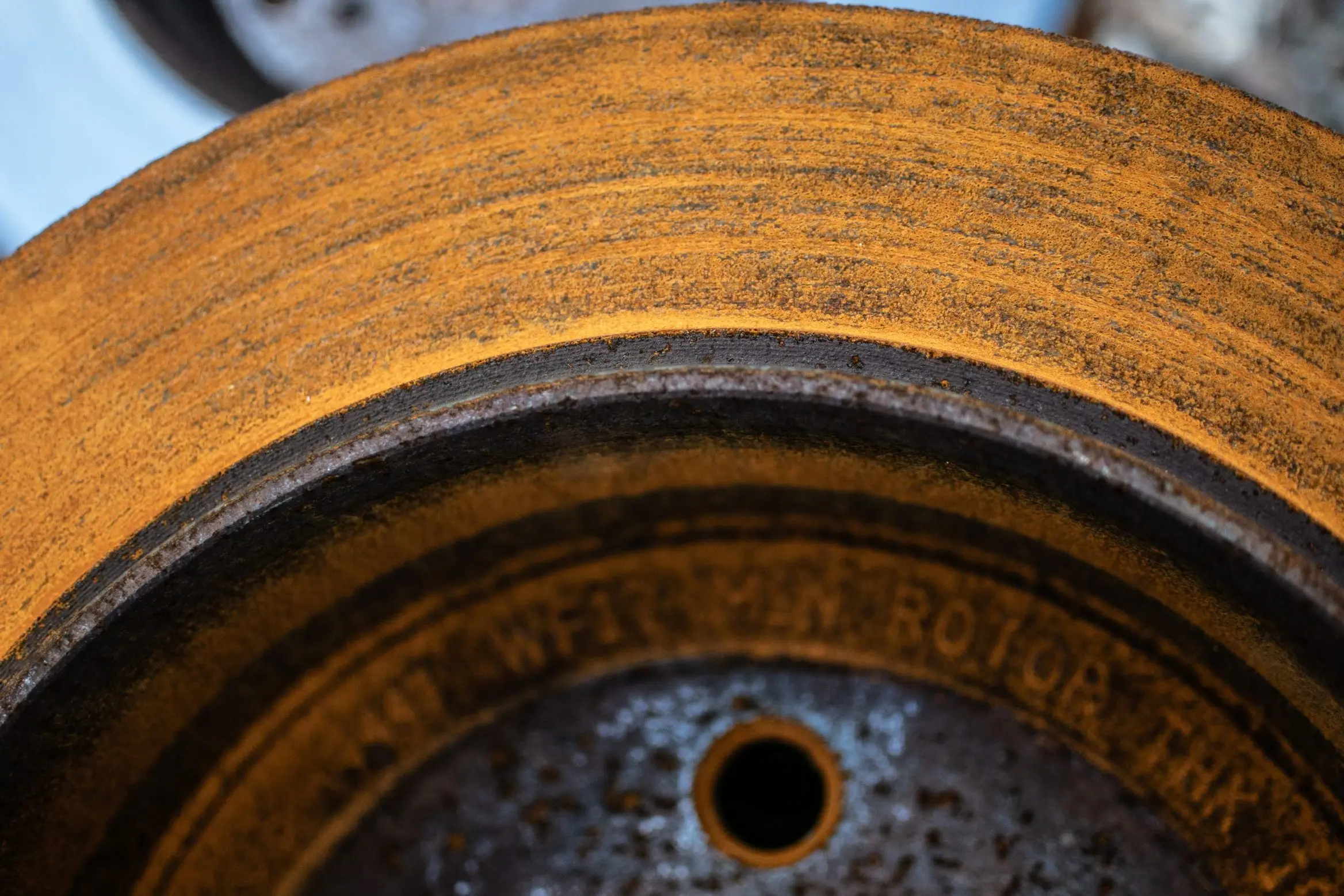
Corrosion and buildup are real concerns with Tesla brakes.
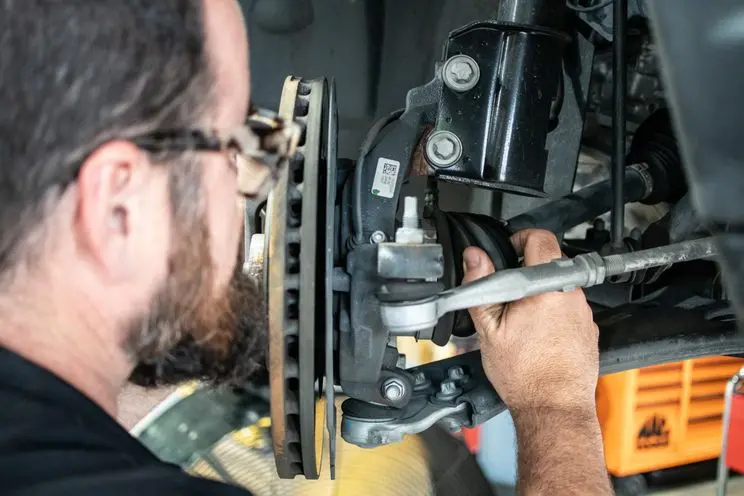
Because Tesla brakes are not used as often as traditional vehicles their brake caliper hardware, pistons, and slides are more likely to bind. Binding brake hardware can cause brakes to over heat, irregular break wear, and in some circumstances affect stopping distance. At Tim’s we recommend a full brake service every 2 years or 20,000 miles. We dis assemble brake hardware, remove brake pads and caliper brackets. We then clean and lubricate all slide points and contact points to ensure smooth operation. Brake caliper services help you get the full life out of your brakes.
We believe regular brake fluid exchanges and brake caliper services are key to your safe operation of your Tesla. Preventative maintenance will ensure long life of your braking components as well as ensure the safest emergency stop possible. Let the Tesla Mechanics at Tim’s help with maintaining your Tesla brakes!
Tim’s is your New Orleans local choice for Tesla Brake Repair!